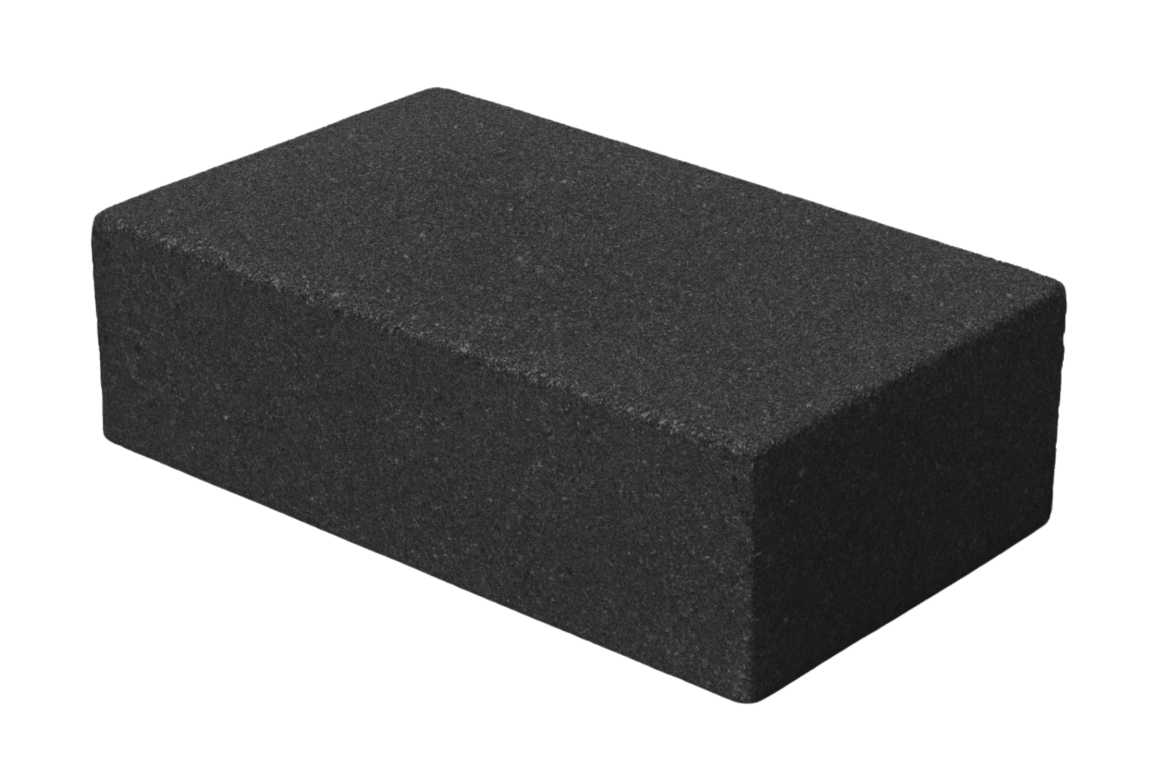
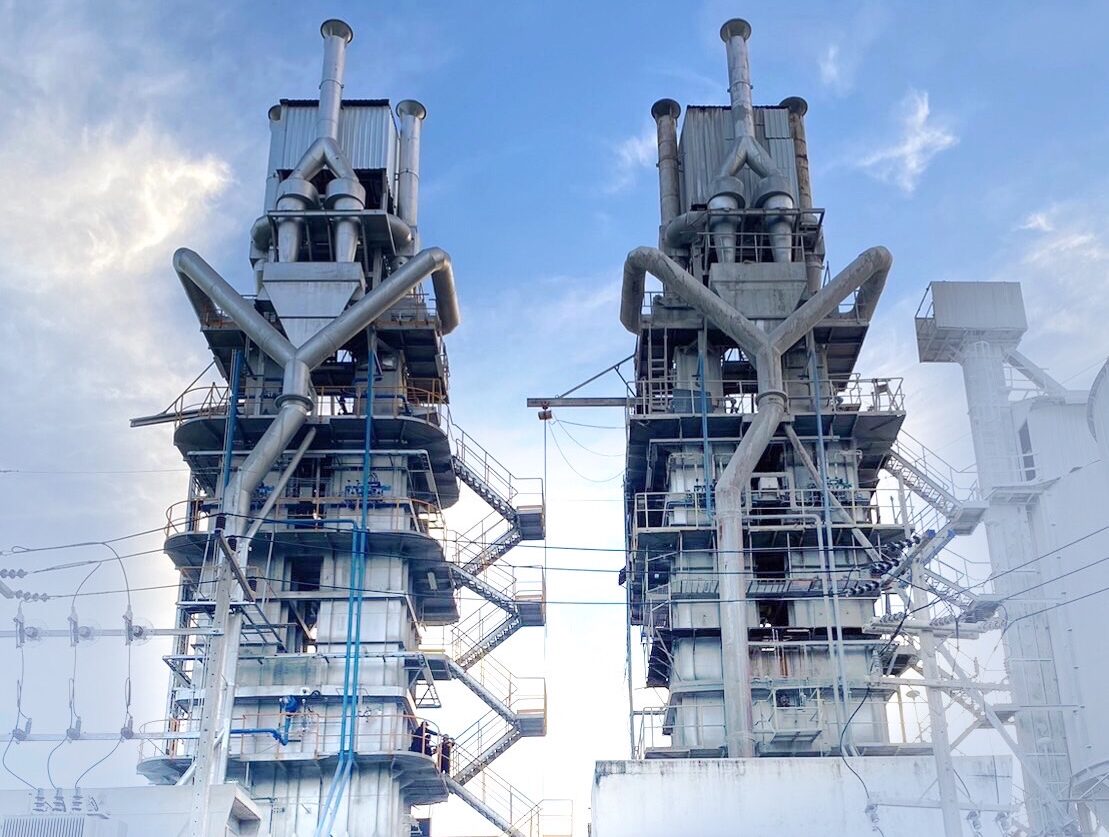
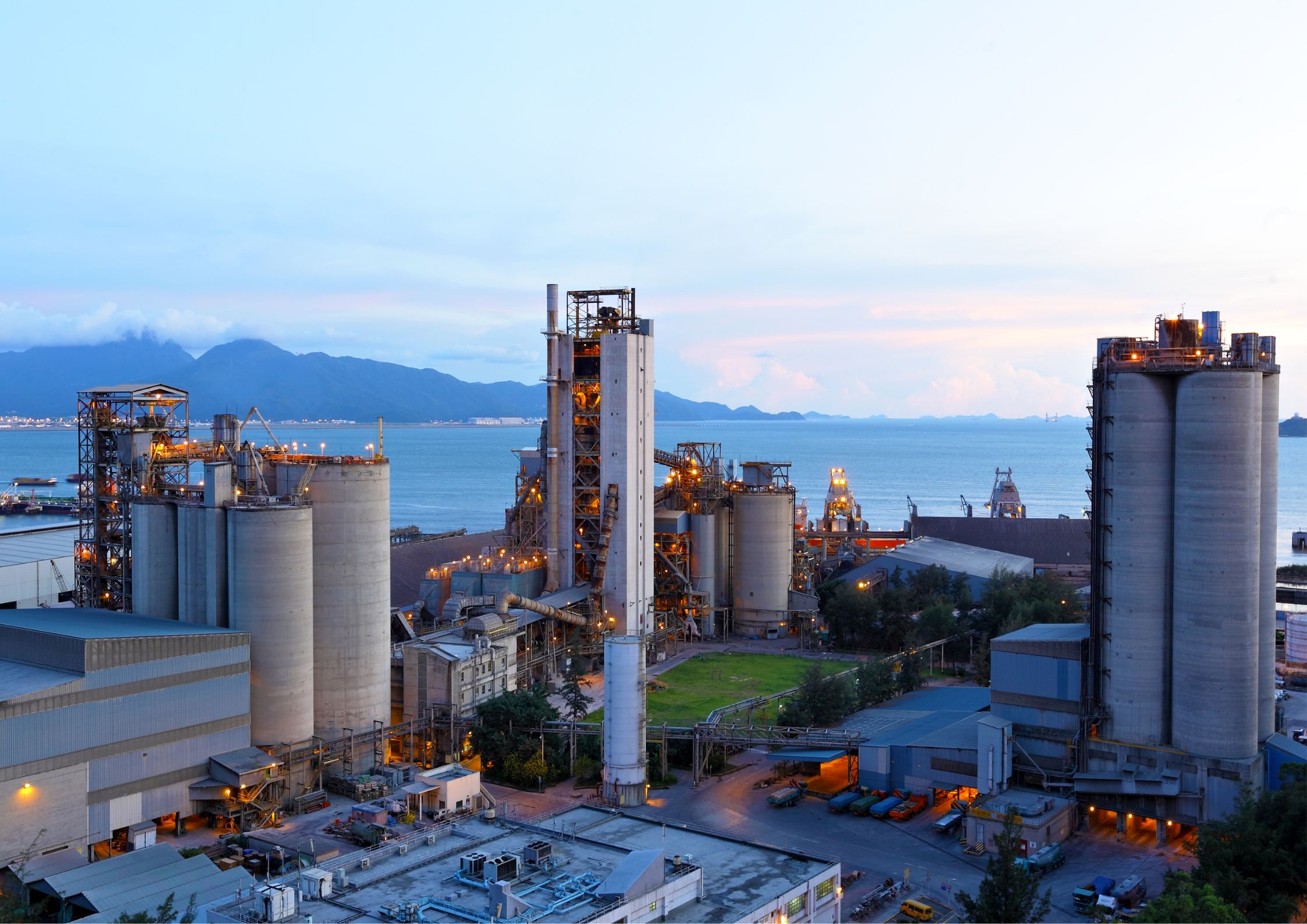
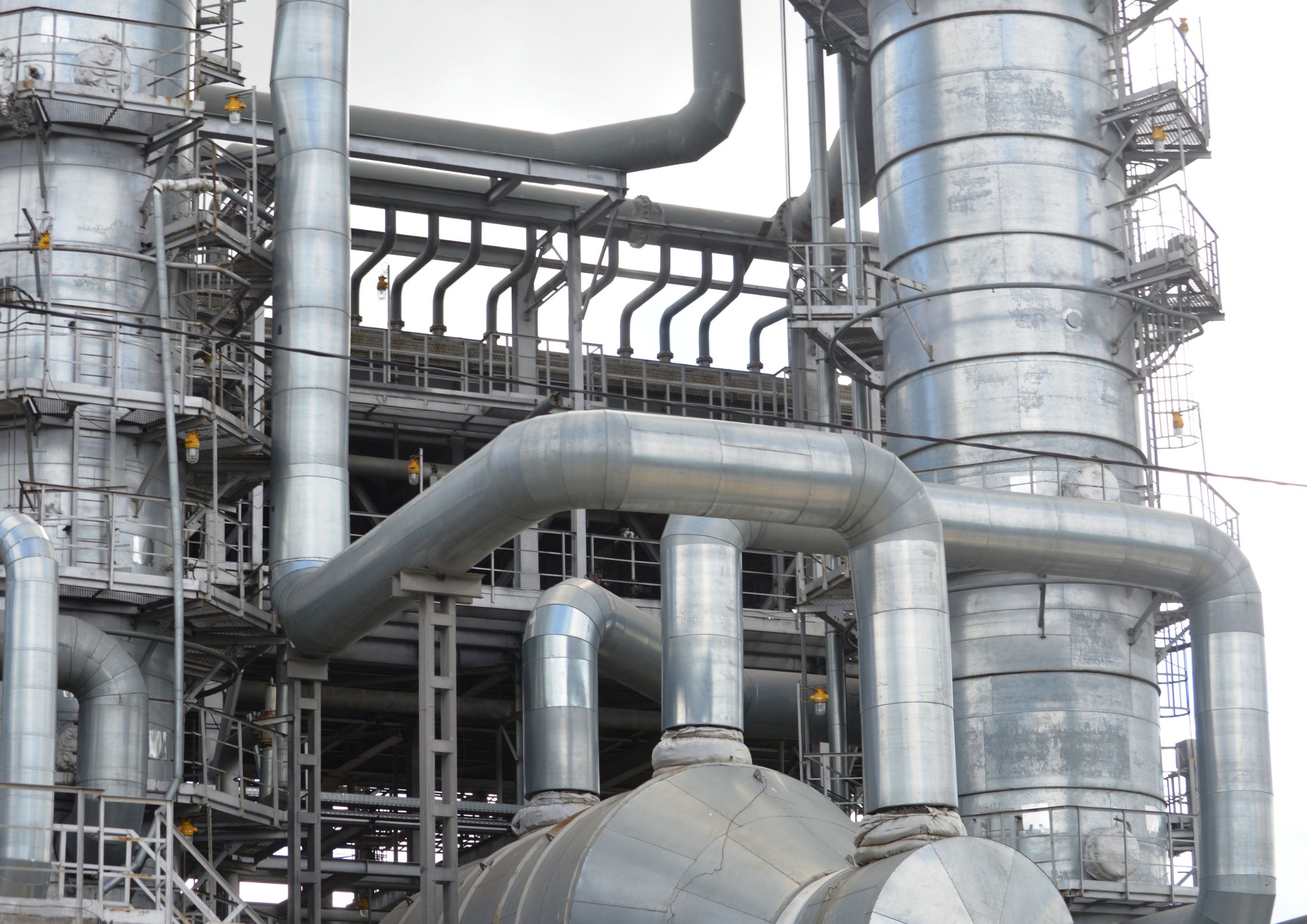
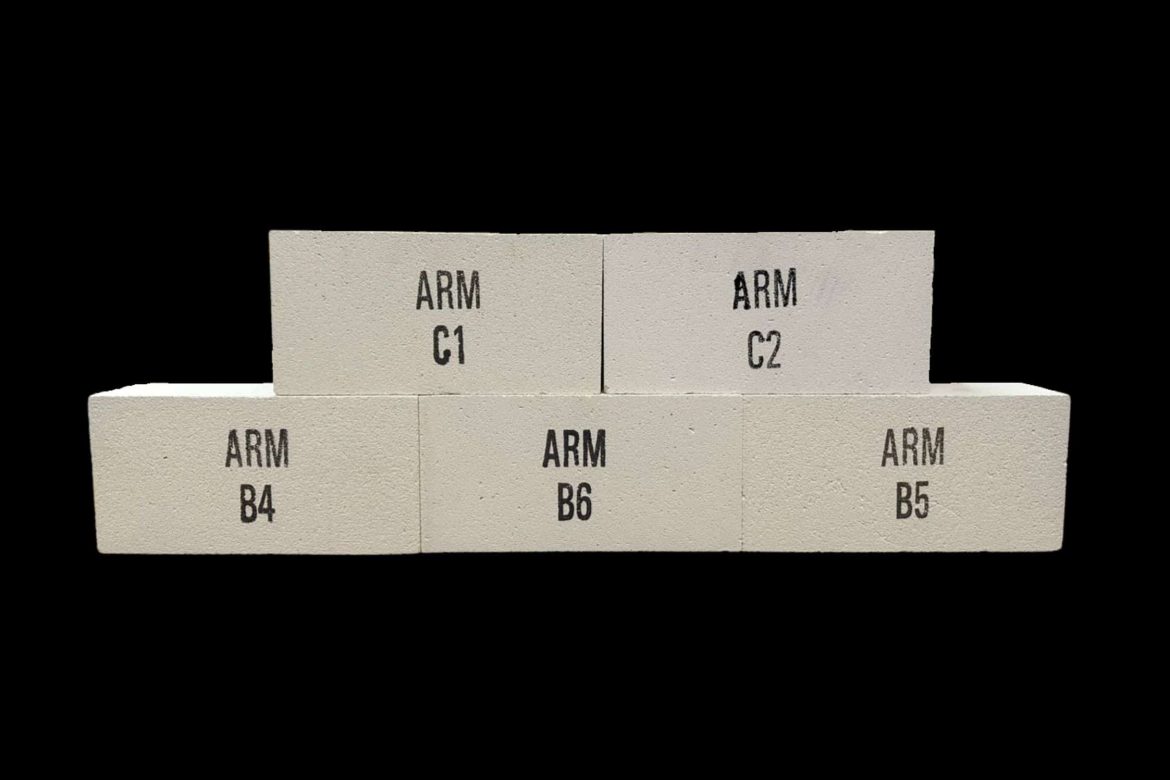
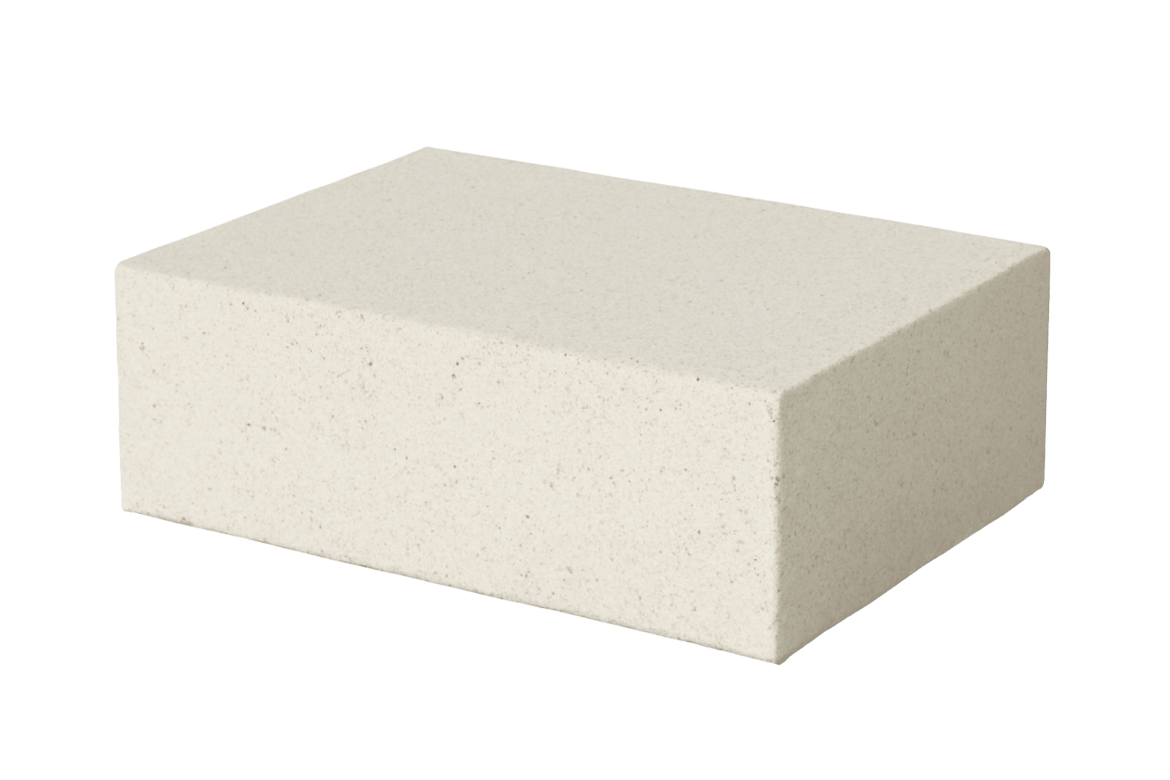
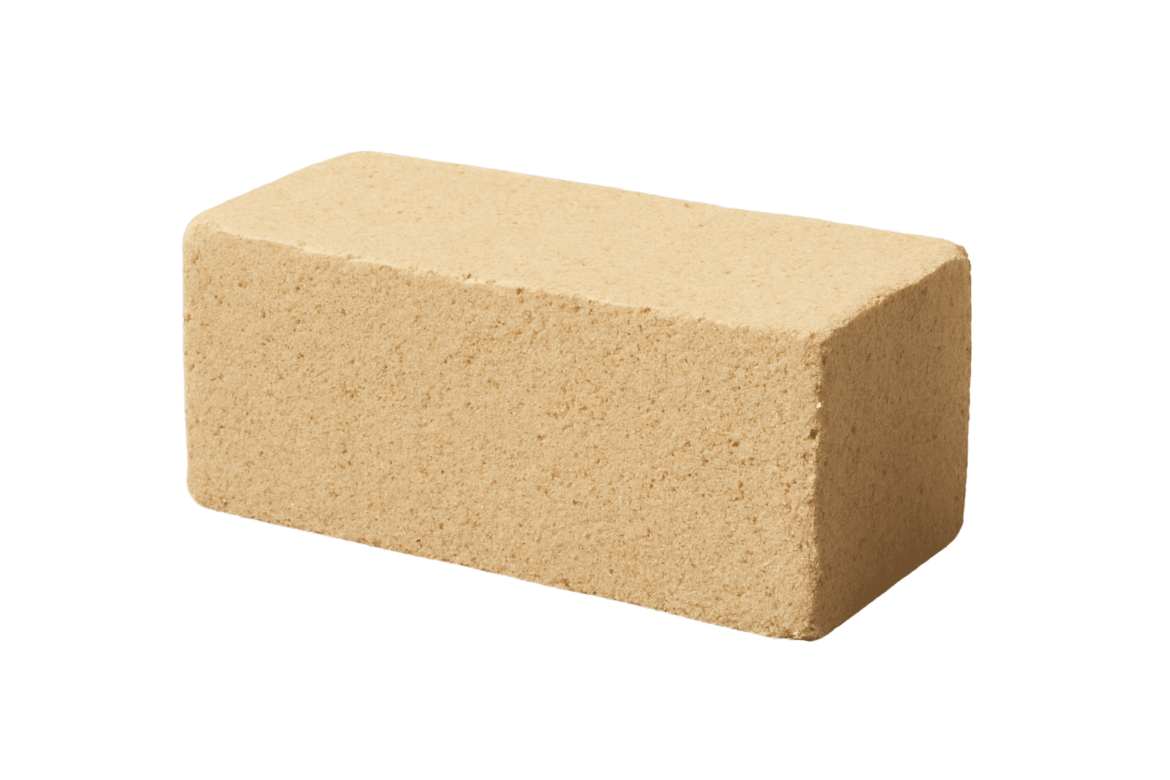
Basic refractory bricks are made from materials like magnesia, dolomite, and chrome-magnesite. These bricks are highly resistant to basic slags and are used in environments where acidic refractories would fail. They are most commonly found in the steel, cement, and non-ferrous metal industries.
Key Features:
Basic bricks offer excellent resistance to chemical attack by basic slags and fluxes, making them ideal for furnaces and kilns used in steel and lime production.
They possess a high melting point and maintain strength under extreme thermal conditions.
Their durability reduces maintenance frequency, improving plant uptime and cost-efficiency.
Basic refractory bricks are critical in metallurgical and lime-processing industries where high alkalinity exists. Their resistance to aggressive chemical environments, combined with structural reliability under high temperatures, ensures optimal furnace performance and a long service lifespan.
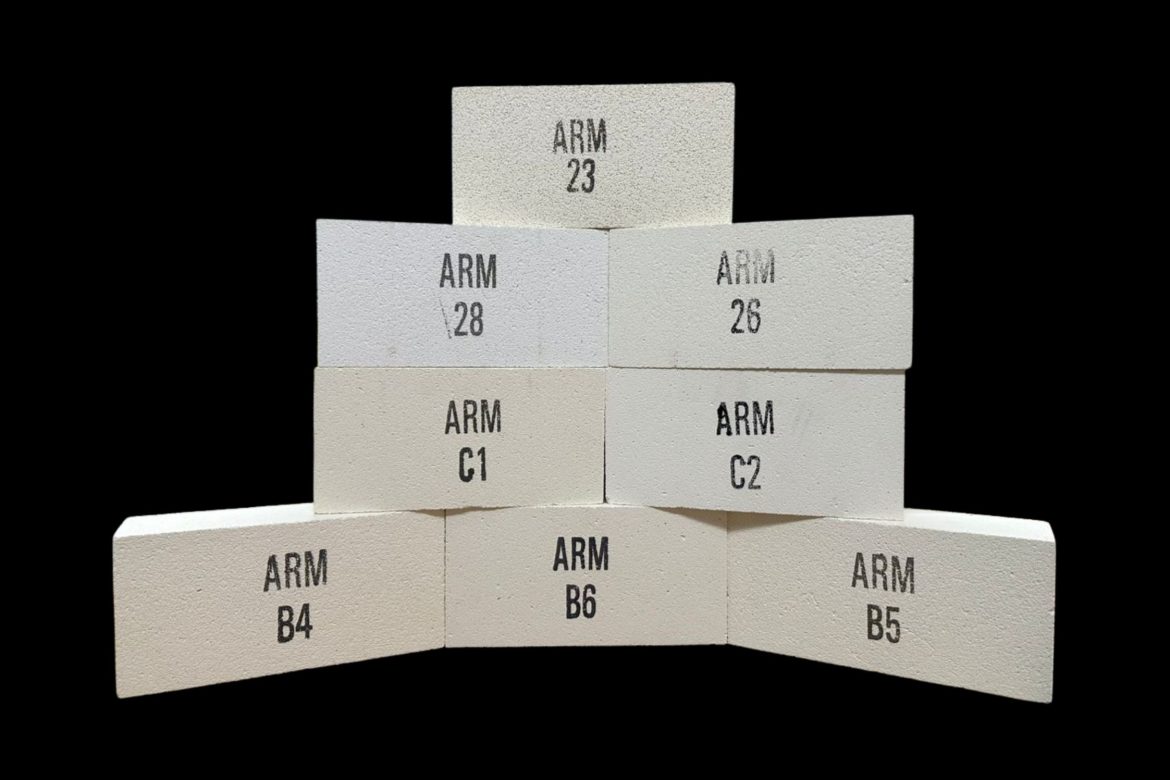
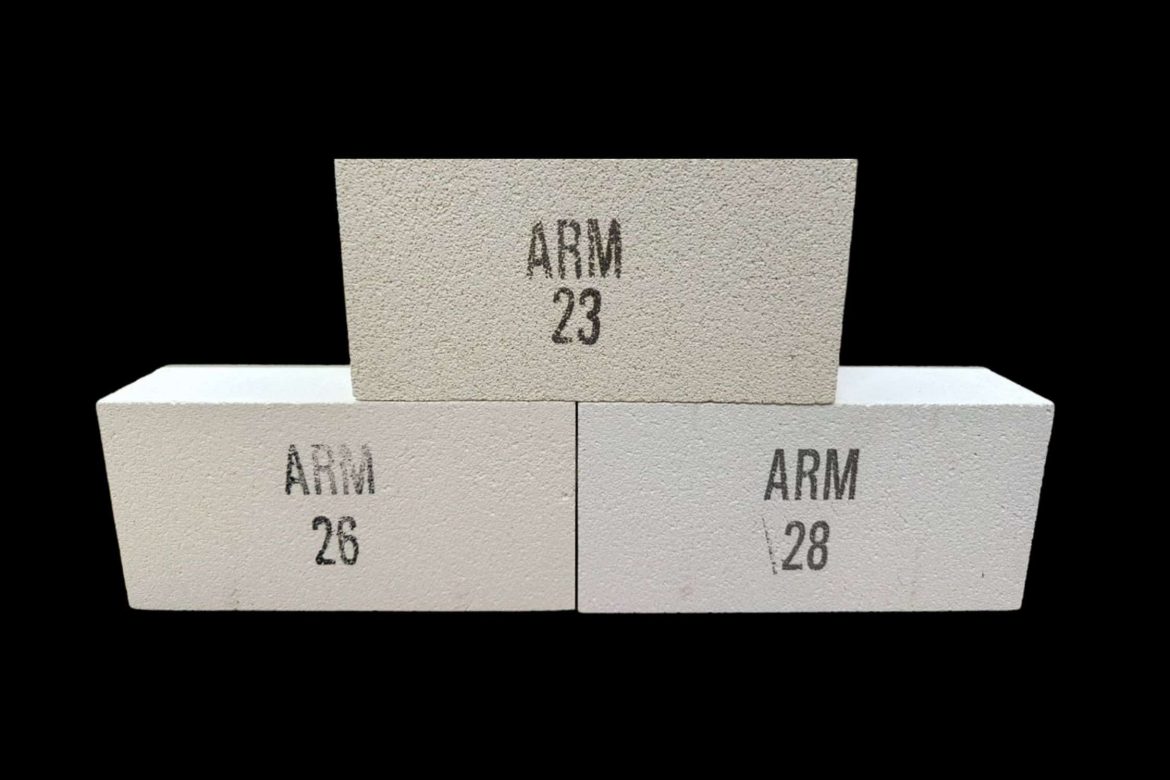
Insulation refractory bricks are lightweight, porous bricks designed for thermal insulation. They are used as backup linings or in equipment where heat loss needs to be minimized. These bricks are commonly used across boilers, ceramic kilns, and general-purpose industrial furnaces.
Key Features:
They exhibit low thermal conductivity, significantly improving energy efficiency by reducing heat loss.
Designed to withstand moderate to high temperatures (up to ~1400°C) while maintaining structural integrity.
Their lightweight structure makes installation easier and reduces the overall load on furnace linings.
Insulation bricks enhance thermal efficiency in furnaces, kilns, and boilers. While they are not designed for direct contact with molten materials, their ability to retain heat and reduce energy consumption makes them essential for multi-layered refractory systems.
Alumina refractory bricks are made with high alumina content, usually ranging from 45% to 95% Al₂O₃. They offer excellent resistance to heat, corrosion, and wear, making them suitable for high-stress environments like blast furnaces, incinerators, and glass manufacturing.
Key Features:
These bricks have high thermal stability, capable of withstanding temperatures beyond 1700°C.
They resist slag, chemical corrosion, and abrasion, ensuring long-term structural integrity in extreme environments.
Suitable for industries requiring both strength and resistance, such as petrochemical and steel industries.
Alumina bricks provide high-performance lining solutions where thermal shock, abrasion, and chemical wear are concerns. Their strength and longevity under aggressive operating conditions make them a preferred choice for demanding industrial applications.